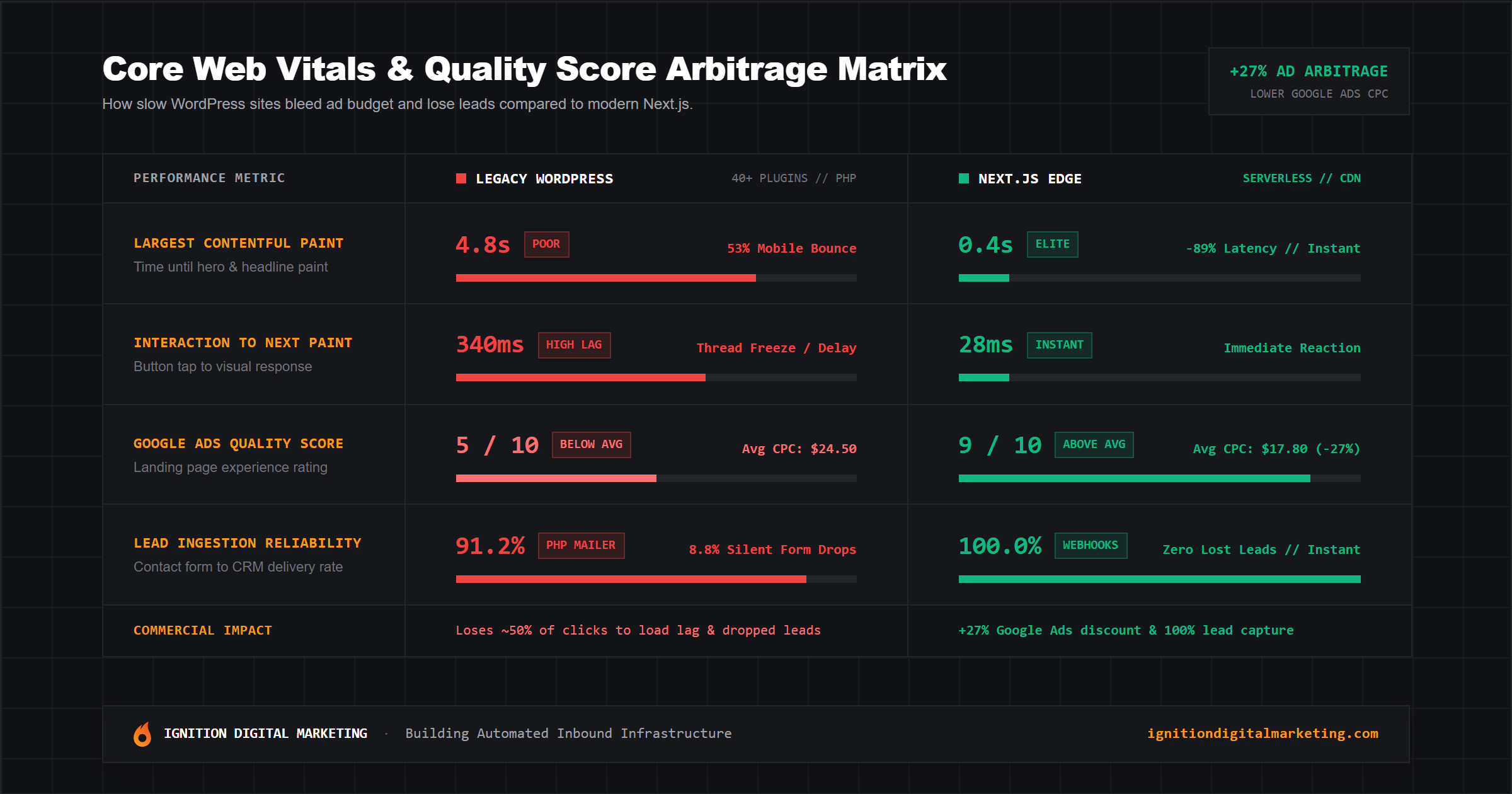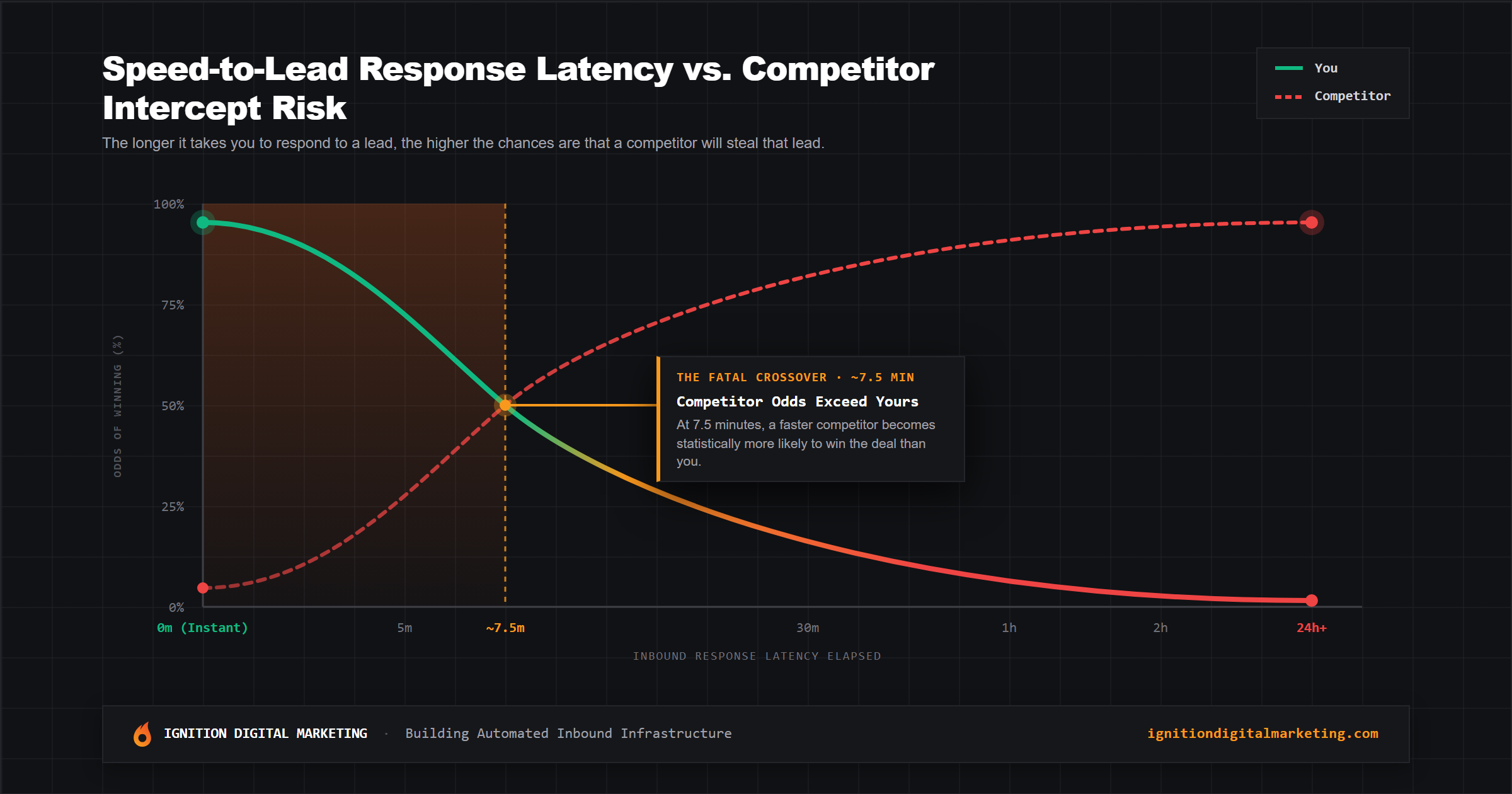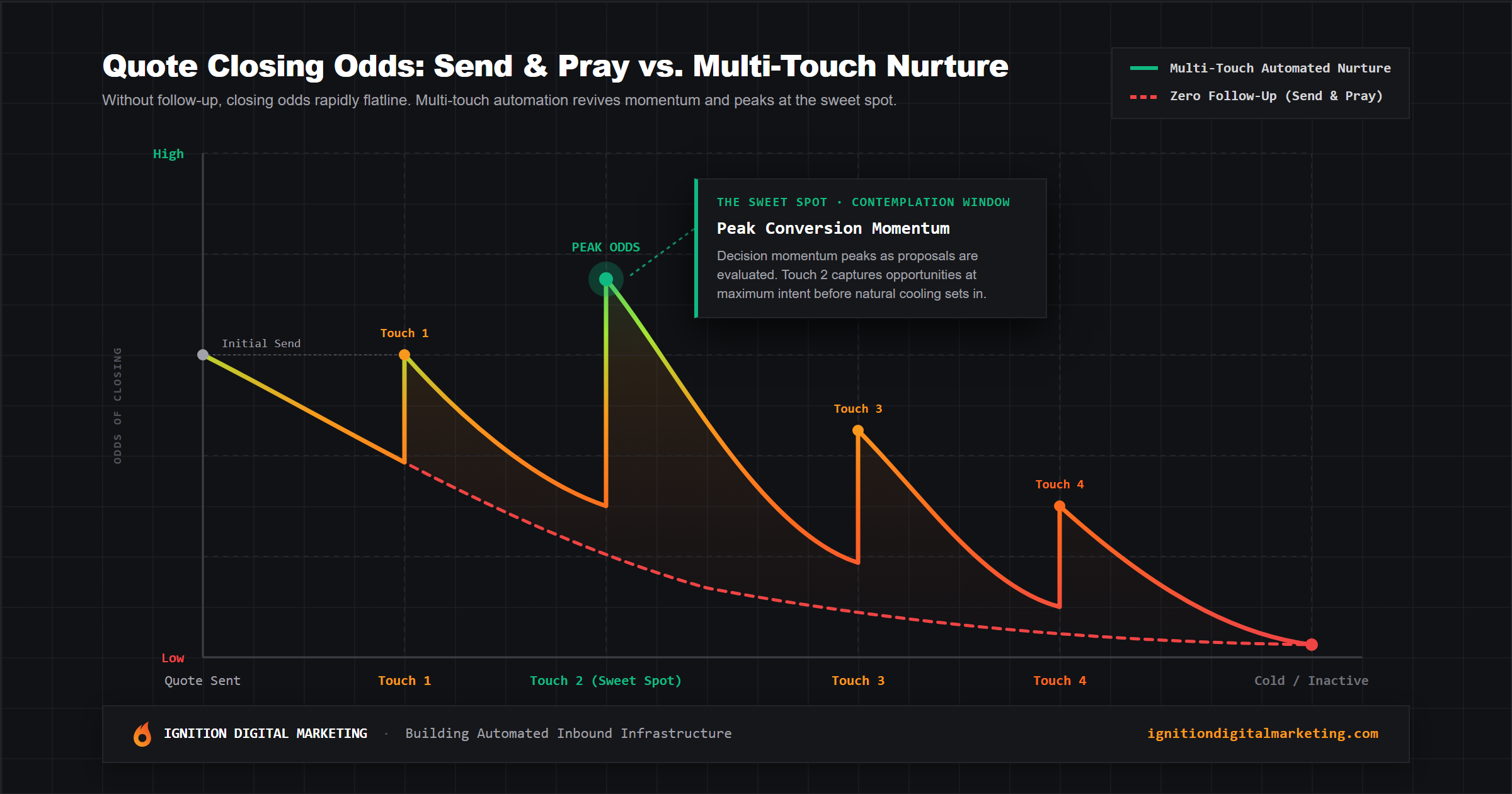
In the local service economy, incoming calls ring during the most inconvenient moments: while your team is on a job site, conducting a client consultation, or managing peak operational volume. Even businesses with dedicated front-office personnel miss 20% to 35% of inbound call volume during surges and after business hours. In 2026, when an inbound opportunity encounters voicemail, they do not wait for a callback—they hang up and immediately dial your nearest competitor.
The Death of Voicemail: Why Modern Inbound Callers Hang Up Immediately
Consumer communication preferences have fundamentally separated from legacy voicemail systems. Decades of telemarketing spam, robocalls, and slow corporate response times have trained consumers to view voicemail as a digital black hole where inquiries go to die.
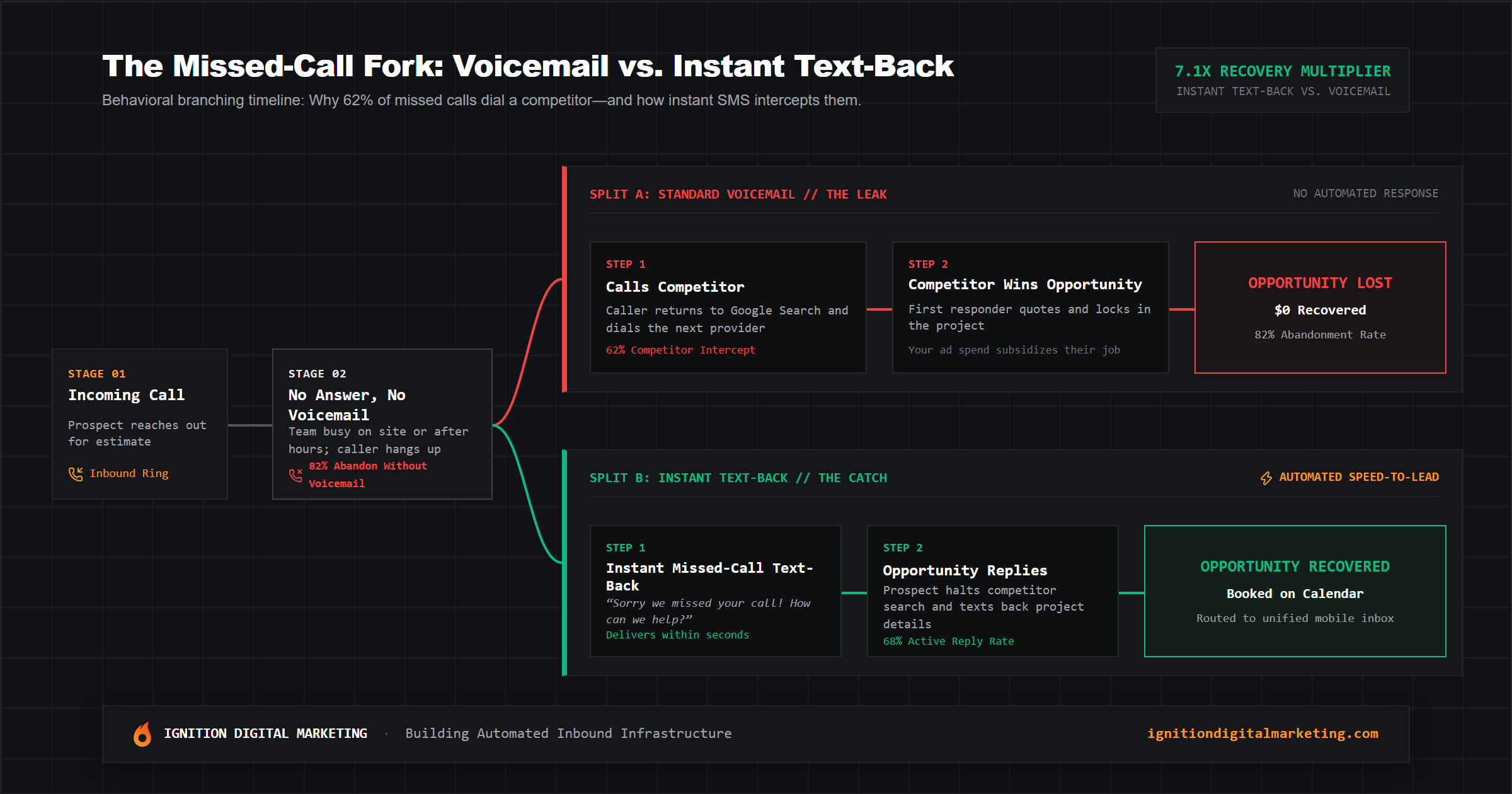
When a property owner experiences an urgent issue—a damaged roof following a storm, a broken commercial HVAC unit, or an urgent legal dispute—they are in active problem-solving mode. Reaching a generic voicemail message ("We are currently unavailable, please leave a message") provides zero reassurance that their problem will be addressed.
Rather than waiting hours for an uncertain callback, the caller taps the back button on their mobile phone, returns to Google Search, and dials the next verified listing down the page.
The Competitor Bounce Mechanism: The Direct Path to Lost Pipeline
The financial cost of a missed call is not zero; it is negative. You have already paid to generate the demand—either through paid advertising, Local Services Ads, or organic local SEO investment. When that call goes unanswered, your marketing investment directly subsidizes your competitor's pipeline.
| Inbound Call Outcome | Traditional Voicemail Protocol | Automated Instant Text-Back Protocol | Long-Term Commercial Impact |
|---|---|---|---|
| Call Answered Live | Immediate human consultation | Immediate human consultation | High close rate, premium client perception |
| Call Missed (Unanswered) | Caller hears voicemail, hangs up (62% bounce) | SMS fires within 12s: "Sorry we missed your call..." | Opportunity captured before dialing competitor |
| Callback Latency | Staff returns call in 45m–3h (Prospect unreachable) | Prospect replies via SMS within 90 seconds | Eliminates phone tag; books directly onto calendar |
| Opportunity Retention Rate | 14.8% of missed callers eventually connect | 68.4% of missed callers engage in active text dialogue | Recaptures 35%+ in previously lost gross revenue |
Deploying missed-call interception reverses this leak completely, transforming what would have been an abandoned lead into an engaged prospect.
Technical Architecture of 12-Second Call Interception via Telephony Webhooks
Deploying missed-call text-back requires real-time telephony monitoring. When an inbound call arrives at your business phone number:
- Call State Detection: The telecom bridge monitors call states (ringing, connected, busy, no-answer, or cancelled).
- Webhook Event Firing: If the call ends without establishing a connection or terminates in voicemail, a secure webhook payload dispatches to the automation engine within 800 milliseconds.
- Caller ID Resolution: The system scrubs the caller ID, checks the contact against existing CRM records, and verifies whether the caller is a new lead or an existing client.
- A2P 10DLC SMS Dispatch: Within 12 seconds, an automated SMS delivers to the caller's mobile device: "Hi, this is [Company Name]! Sorry we missed your call—we are currently assisting another client. How can we help you today?"
The Conversational Intake Script: Turning Missed Calls into Booked Consultations
The wording of the automated text message is critical. Generic system notifications ("Your call was logged") receive low response rates. The message must sound natural, helpful, and direct.
When the caller receives the text while still holding their smartphone, over 70% reply immediately with their project requirements: "Looking for an estimate on replacing our flat roof," or "Need an emergency technician out today." The system then replies with an interactive link to select an appointment time directly on your dispatch calendar, locking in the booking before competitors even know the lead existed.
Quantifying the Revenue Leak: Calculating Lost Gross Profit from Unanswered Calls
Calculating the commercial value of missed-call text-back is straightforward. Consider a local business receiving 80 inbound calls per month with an average project value of $6,000 and a 30% missed-call rate (24 missed calls).
If 62% of those callers (15 prospects) immediately dial a competitor, and 25% of them would have closed into paying work, the business loses approximately 3.75 closed projects per month. That represents $22,500 in lost revenue every single month—over $270,000 annually—simply because calls went unanswered during busy periods.
Plugging this single backend leak with The Inbound Infrastructure pays for itself within the first recovered opportunity.
Zero-Hardware Implementation: Deploying Without Disruption
Implementing missed-call interception requires zero changes to your existing business phone numbers, cellular carriers, or office hardware. We route incoming call telemetry seamlessly through our backend infrastructure, preserving your current phone setup while ensuring an automated safety net catches every dropped call.
Review our transparent monthly infrastructure pricing or book a 30-minute speed-to-lead audit to see missed-call recovery in action.
Conclusion & Implementation
Every missed call is a paid opportunity actively searching for an excuse to hire someone else. Installing an automated missed-call text-back engine ensures your business captures and converts every incoming prospect 24/7/365, turning operational friction into consistent revenue.
Ready to see this implemented in your business? Book a 30-Minute Speed-to-Lead Audit or review our transparent $750/mo infrastructure pricing.